Global Trends in Responsible Gambling: Key Insights from the Discovery 2026 Conference in Toronto

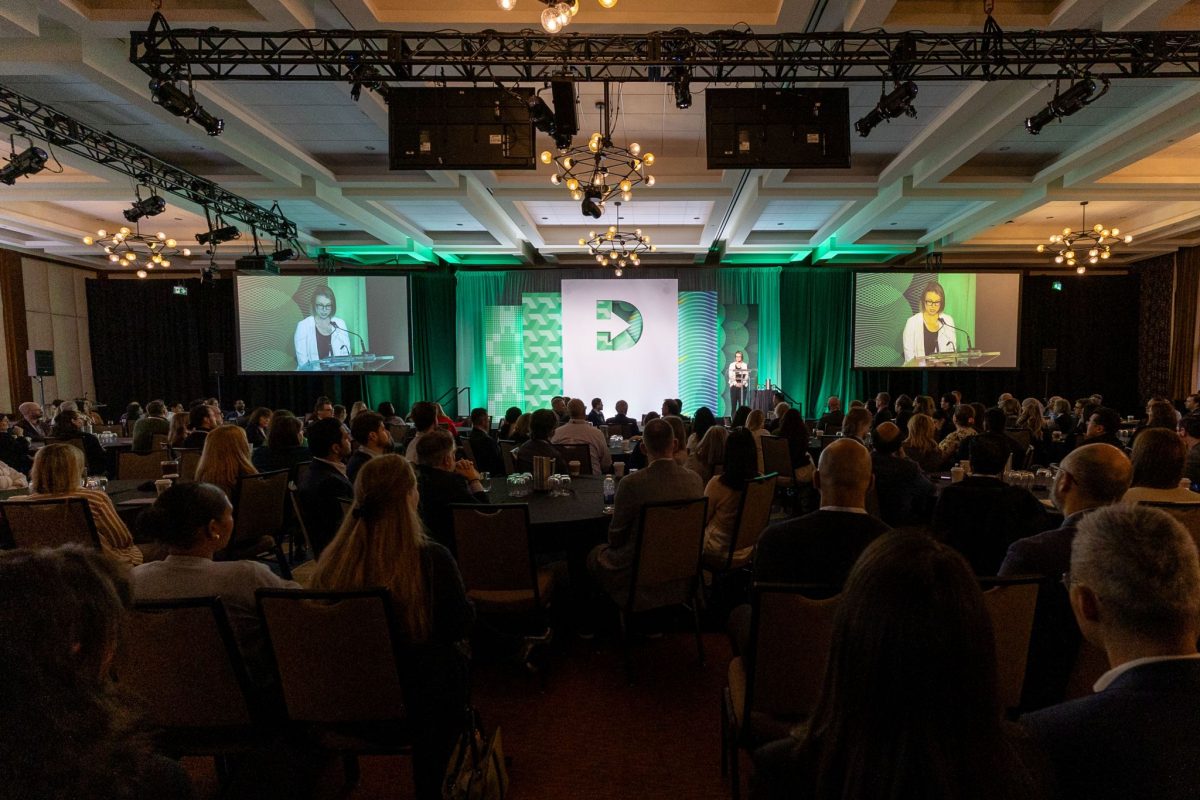
In mid-April 2026, Toronto, Canada, became the global hub for discussions on the future of the gambling sector. The prestigious international conference Discovery 2026, hosted by the Responsible Gambling Council (RGC), brought together regulators, operators, technology providers, researchers, and public health experts from across the global ecosystem.

As an organization dedicated to implementing international best practices within the Bulgarian market, the Responsible Gaming Foundation closely followed the key panels and debates. Here, we share the main insights and trends that will shape the industry globally—and locally—in the coming years.

From Reaction to Prevention: A Shift in Approach

A major theme throughout Discovery 2026 was the consensus that the industry must transition from reactive measures (intervening only after harm has occurred) toward preventative strategies.

Today, player protection and responsible gambling principles are increasingly being integrated into early stages—product design, customer support workflows, and day-to-day operational decisions. The key challenge for the sector moving forward is balancing engaging user experiences and business goals with compliance and player autonomy.

Harnessing the Power of Data and Artificial Intelligence

Technology, particularly big data analytics, featured prominently in the conversations. The conference demonstrated how behavioral monitoring tools, risk indicators, and automated interventions are actively being utilized to support the early identification of risky behavior.

However, a vital takeaway from Toronto was that Artificial Intelligence (AI) is not a standalone magic bullet. It is most effective when combined with:

  • Human judgment and empathy;
  • Clear governance, transparency, and accountability;
  • Robust safeguards regarding data privacy and commercial sensitivity.

Shared Responsibility and a Public Health Lens

Experts agreed that gambling-related harm cannot be mitigated through regulation or operator action alone. A broader public health approach is essential, one that weaves together education, early prevention, treatment, and continuous research through active collaboration between governments, the industry, and community partners.

What Does This Mean for Bulgaria?

The global gambling sector is in transition, actively learning how to align innovation, regulation, and player wellbeing in a rapidly evolving environment.

For the Responsible Gaming Foundation Bulgaria, the insights from Discovery 2026 reaffirm that our focus—driven by educational webinars and building bridges between the industry and experts—is entirely on the right track. Evidence-based decision-making and the adoption of proven global practices are the only path forward to sustaining a secure and responsible business climate in Bulgaria.

Challenges and Sustainability in the Market

Key Highlights from the Responsible Gaming Foundation Events: Challenges and Sustainability in the Market

The dynamic evolution of the gaming industry requires continuous adaptation in the mindset and strategies of operators. In response to these needs, the Responsible Gaming Foundation organized two pivotal events that brought together international experts and industry stakeholders to outline new benchmarks in education, leadership, and corporate sustainability.

Here is a comprehensive summary of the key takeaways and discussions from the webinar and the masterclass:

Webinar: The Role of Education in Industry Sustainability

The webinar, titled “Why Education is Crucial to Sustainability and Responsible Gambling,” focused on long-term educational programs as an essential tool for fostering responsible player behavior and regulatory compliance. The discussion was led by prominent international speakers Joe Abergel and Adrian Sladin – co-founders of the Ethical Gambling Forum.

  • A Proactive Approach to Training: The speakers emphasized that education must be a two-way street—targeting both industry employees and the consumers themselves. The ultimate goal is to cultivate an informed environment where gaming remains a safe and controlled form of entertainment.
  • The “Generation Z” Challenge: Special attention was dedicated to the younger generation, who are the first to grow up entirely in a digital environment. Due to the convergence of gaming and gambling content, Gen Z perceives products and services in a fundamentally different way. This demands a completely new form of communication from operators, alongside adapted awareness tools.
  • Business Benefits Beyond Compliance: Abergel and Sladin highlighted that practical guidelines and modern training formats do not merely satisfy regulatory requirements; they actively build trust, enhance transparency, and strengthen the long-term reputation of the brand.

Key Takeaway: Education and investment in awareness campaigns are indispensable to the sustainable development of the sector, enabling it to meet the ethical expectations of modern society.

Masterclass: Leadership and Top-Down Engagement

The second major event organized by the Foundation, in partnership with the Eastern European Gaming Summit (EEGS) and the Responsible Gambling Council (RGC), Canada, was a specialized Masterclass.

The topic, “The Value and Importance of Top-Down Engagement – Why Responsible Gaming is Good for Business and How to Integrate It at All Levels of the Organization,” reframed the traditional perception of regulations.

  • The Power of Leadership: The session emphasized that building a sustainable corporate culture requires a clear strategic vision from executive management. The principles of Responsible Gaming must originate at the leadership level and cascade down to every single employee.
  • Integration Across All Levels: Practical best practices were presented on how to effectively embed Responsible Gambling principles into every facet of an operator’s daily operations—from marketing strategies to frontline customer service.
  • A Core Pillar of Corporate Governance: The discussion demonstrated that acting responsibly is not an administrative burden, but a fundamental element of sound corporate governance. It directly contributes to the financial sustainability, public trust, and positive image of gambling companies.

Conclusion

Both events clearly demonstrated that the Bulgarian and regional markets can only thrive by sharing international expertise and taking proactive steps. The mission of the Responsible Gaming Foundation remains clear—to assist businesses in integrating corporate responsibility and ethics into the core of their operations, preparing them for the challenges of tomorrow.

Responsible Gaming – The Key to Protecting Users and Ensuring a Sustainable Market

Responsible Gaming – The Key to Protecting Users and Ensuring a Sustainable Market

In the February issue of the authoritative international publication Global Gambling News, Rossy McKee – one of the world’s leading experts in responsible gaming – places clear emphasis on the inseparable connection between user protection and the long-term sustainability of regulated markets.

In her interview, Ms. McKee discusses responsible gaming not merely as a regulatory requirement, but as a strategic tool that both safeguards users and builds long‑term trust within the regulated environment.

“When responsible gaming is a natural and intuitive part of the user experience, it builds trust – and trust is the most important element in creating a successful and effective regulated market,” emphasizes Rossy McKee.

The interview also highlights the role of technology, proactive prevention mechanisms, and the importance of collaboration between regulators, operators, and user‑focused organizations – key topics for the future of responsible gaming and sustainable markets.

🔗 Read the full interview in the online edition of Global Gambling News (p. 30):
https://lnkd.in/e5AcHvCj

RESPONSIBLE GAMING MEASURES IN SERBIA: LEGISLATION, CHALLENGES, AND BEST PRACTICES

Regulating the games of chance sector requires a delicate balance between economic activity and social responsibility. In Serbia, this balance was formally codified in the Games of Chance Law of December 2011. According to this Act, the organization of games of chance must be socially responsible and strictly oriented toward three pillars: protecting minors, preventing addiction among participants, and safeguarding players’ personal data.

Statutory Obligations for Operators

The law imposes strict operational mandates on the gaming industry, particularly regarding public awareness and venue location:

  • Information Posters: Every gaming facility must display a $100\times80$ cm poster near the entrance containing educational text on addiction prevention and contact information for an institution certified by the Ministry of Health. For kiosks, a $50\times40$ cm poster must be displayed on the exterior.
  • Information Brochures: Leaflets addressing gambling addiction must be available on every desk or counter used for player registration.
  • Distance Restrictions: Slot machine clubs must be located no less than 200 meters away from educational institutions (primary and secondary schools).
  • Staff Training: Prior to starting employment, all staff members who come into direct contact with players must be trained in addiction prevention.

Legislative Gaps and Voluntary Initiatives

Despite these legal mandates, the report highlights several significant regulatory gaps as of 2015:

  • The Ministry of Health had not yet prescribed the exact design and content of the official informational prospectuses.
  • There were no prescribed penalties or control mechanisms to enforce employee training.
  • The Law failed to specify who is authorized to educate industry personnel or treat problem and pathological gamblers.

In response to these deficiencies, industry members took it upon themselves to conduct voluntary measures. Gathered under associations like JAKTA (a Serbian EUROMAT member), operators promote responsible gaming through self-imposed age limitations, machine specifications, personnel training, reasonable pricing, and by framing gaming strictly as an entertainment experience.

National Institutions and Specialized Support

Serbia has established a framework within its National Health System where problem gambling is treated as a regular psychiatric disease covered by health insurance. Key institutions include:

  1. The Institute of Public Health of Serbia “Dr Milan Jovanovic Batut”: An authority under the Ministry of Health tasked with national health promotion and educational campaigns, with plans to mobilize all medical university centers for gambling addiction treatment.
  2. Special Hospital for Addiction Diseases (Teodora Drajzera 44, Belgrade): Led by Dr. Mira Kovacevic, it has operated a specialized Day Hospital for non-chemical addiction rehabilitation since October 2010. Over four years, it successfully trained 2,500 gaming industry employees in prevention.
  3. Institute of Mental Health (Palmotiцева 37, Belgrade): Directed by Professor Dr. Dusica Lecic Tosevski, where Dr. Ivica Mladenovic heads a day hospital utilizing his successful “integrative systemic model for the treatment of pathological gambling”.

The Pioneer Project: Klub “Sansa”

A prime example of expert-industry collaboration is Klub “Sansa”, the first Serbian association for fighting pathological gambling. Founded by prominent psychiatrists, it drives the “Responsible Gambling” project in Serbia, which was inspired by EUROMAT and is funded by the gaming industry through the JAKTA Association.

The project focuses on five core principles: field research, intensive communication, employee education, a dedicated helpline (0800 301 302), and targeted patient treatment. The 10-week therapy program, which actively involves family members, has yielded highly positive results, demonstrating a 75% cure rate among treated patients.

Responsible Gambling in Focus: The Foundation Featured in the 2025 Industry State Report

Фондация „Отговорна игра“ присъства в Годишния обзор на игралната индустрия в България 2025, публикуван от Асоциацията на игралната индустрия в България (AGIB). Докладът предоставя детайлен анализ на текущите тенденции, ключови предизвикателства и перспективи пред сектора през периода 2024–2025 г.

Според доклада, българската игрална индустрия се намира в динамичен етап, характеризиращ се с регулаторни промени, технологични иновации и нарастваща заплаха от нелегален хазарт, което оказва влияние върху развитието както на регулирания пазар, така и върху доверието на потребителите. 

Участието на Фондация „Отговорна игра“ в този обзор акцентира върху усилията ѝ за насърчаване на отговорна игра, защита на потребителите и подкрепа на устойчиви практики в сектора. Част от анализа разглежда не само икономическите аспекти на индустрията, но и значението на структурирани механизми за защита на играчите и минимизиране на вредите, свързани с хазарта. 

Публикуването на този доклад е важен инструмент за обмен на данни и добри практики между бизнеса, регулаторите и организации като нашата, които ежедневно работят за подобряване на стандартите в гейминг сектора и превенцията на рискови поведения.

1 2 3 6