Responsible Gambling in Focus: The Foundation Featured in the 2025 Industry State Report

Фондация „Отговорна игра“ присъства в Годишния обзор на игралната индустрия в България 2025, публикуван от Асоциацията на игралната индустрия в България (AGIB). Докладът предоставя детайлен анализ на текущите тенденции, ключови предизвикателства и перспективи пред сектора през периода 2024–2025 г.

Според доклада, българската игрална индустрия се намира в динамичен етап, характеризиращ се с регулаторни промени, технологични иновации и нарастваща заплаха от нелегален хазарт, което оказва влияние върху развитието както на регулирания пазар, така и върху доверието на потребителите. 

Участието на Фондация „Отговорна игра“ в този обзор акцентира върху усилията ѝ за насърчаване на отговорна игра, защита на потребителите и подкрепа на устойчиви практики в сектора. Част от анализа разглежда не само икономическите аспекти на индустрията, но и значението на структурирани механизми за защита на играчите и минимизиране на вредите, свързани с хазарта. 

Публикуването на този доклад е важен инструмент за обмен на данни и добри практики между бизнеса, регулаторите и организации като нашата, които ежедневно работят за подобряване на стандартите в гейминг сектора и превенцията на рискови поведения.

Responsible Gaming Foundation Again Takes an Active Role in the European Safer Gambling Week 2025

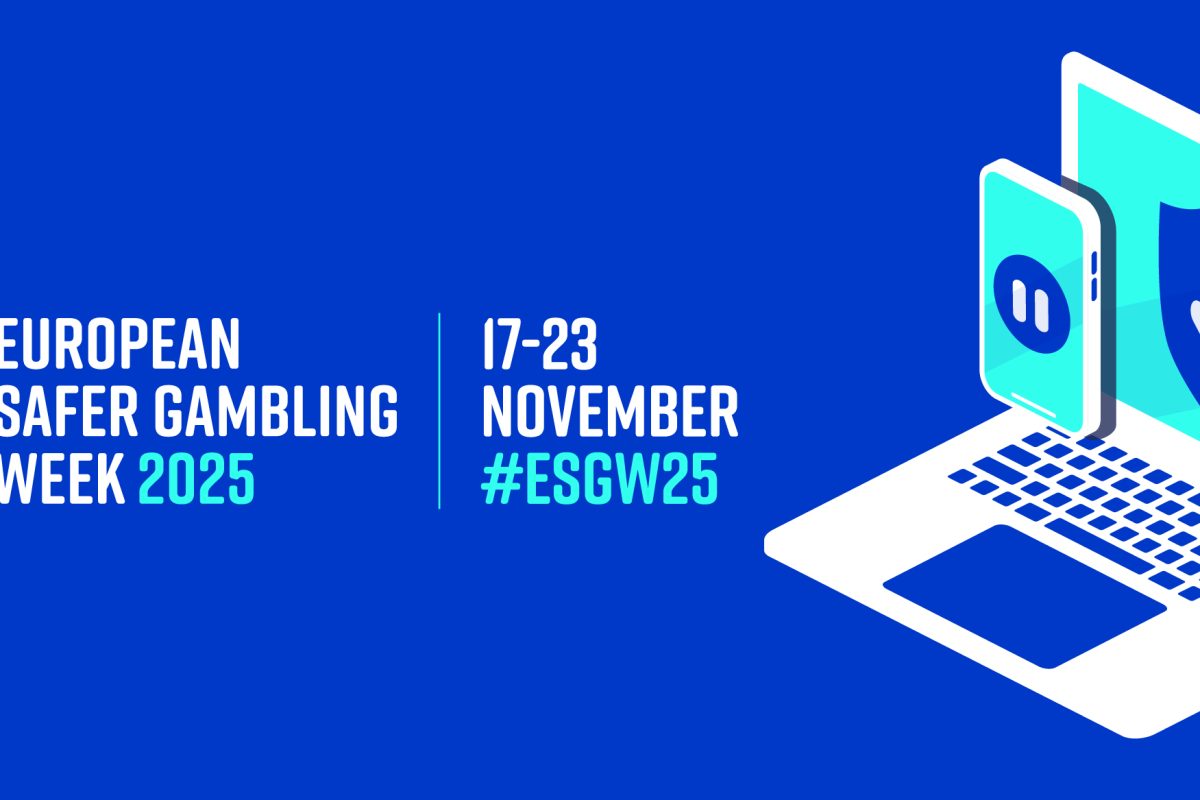
For another year, the Responsible Gaming Foundation took an active part in the European Safer Gambling Week 2025 – a large-scale initiative of the European Gaming and Betting Association (EGBA), held between 17–23 November 2025 across Europe.
The European Safer Gambling Week brings together over 190 partners from 26 countries in a shared mission to promote safe play, protect players, and exchange good practices across Europe.
This year, the Foundation delivered two key events that positioned Bulgaria among the leading countries actively working toward sustainable and responsible development of the gaming industry.

Case Study Challenge 2025 – “Reinvesting in the Community Through Sports and Health”

Following the successful editions of previous years, the Case Study Challenge 2025 was held for the first time as part of the European Safer Gambling Week.
The initiative featured the Bulgarian Sports Totalizator, Palms Bet, and 8888.bg, which presented real examples of social responsibility and sustainable development in the sector.

The theme of this year’s edition – “Reinvesting in the Community Through Sports and Health” – highlights the gaming industry’s commitment to society, and particularly to young people. The companies demonstrated how their programs reinvest back into the community through building sports facilities, supporting youth initiatives, mental health campaigns, and addiction-prevention activities.

8888.bg – “Phoenix of Goodness”

The initiative showcased impressive scale and sustainable social impact. 8888.bg presented over BGN 300,000 in donations, more than 40 completed social causes, and support for young athletes, social institutions, schools, and elderly people in need. The project stood out with strong visual communication, a clear structure, and a message of long-term commitment to the community.

Palms Bet – Sports and Community Development Programs

Palms Bet demonstrated strategic and long-term involvement in the development of Bulgarian sports through partnerships with clubs, infrastructure improvements, and opportunities for young talents. The presentation emphasized sustainability and contribution to an active and healthy lifestyle for young people.

Bulgarian Sports Totalizator (BST) – National Preventive and Educational Programs

BST presented a systematic and consistent model of social responsibility, including preventive campaigns, training, sports initiatives, and nationwide social programs. The project stood out for its scale, strategic vision, and profound public impact.

Following evaluation by an international jury, 8888.bg and Palms Bet were awarded first place in the private sector, while BST received first place in the public sector.

“The European partnership with EGBA is proof that Bulgaria is an active and significant voice in the conversation about responsible gambling. Our goal is to show that the industry can be a source of positive change when it works in sync with society and European standards,” said Petya Filipova, Executive Director of the Responsible Gaming Foundation.

Masterclass in Partnership with EEGS and RGC – “The Value and Importance of Top-Down Commitment”

The second key event organized by the Foundation was a Masterclass held in partnership with the Eastern European Gaming Summit (EEGS) and the Responsible Gambling Council (RGC), Canada, on the topic:

“The value and importance of top-down commitment – why responsible gambling is good for business and how it can be integrated at all levels of an organization.”

The session emphasized the role of leadership and strategic vision in building a sustainable culture of responsible play and presented effective practices for integrating Responsible Gambling principles into every aspect of operators’ activities.

The topic highlights that responsible gambling is not merely a regulatory requirement, but a core element of good corporate governance that contributes to sustainability, trust, and a positive corporate image.

This approach fully aligns with the mission of the Responsible Gaming Foundation – promoting corporate responsibility and integrating responsible gambling principles into all aspects of business practices.


Webinar Recap: Exploring the Role of Education in a Sustainable Gambling Industry

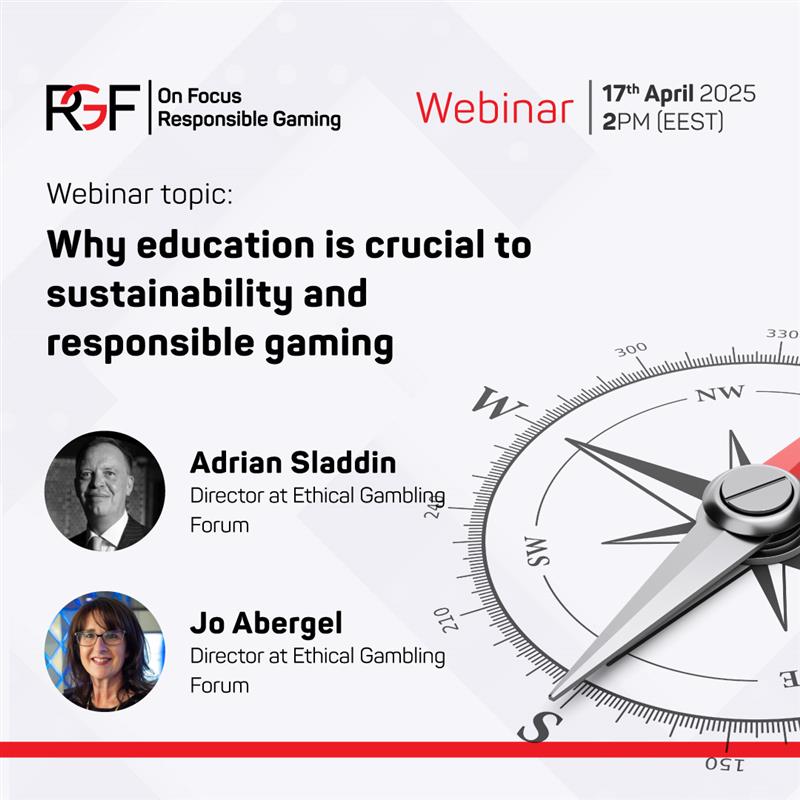
Last week, industry professionals gathered virtually for an engaging and thought-provoking webinar on education in the gambling industry, hosted by the founders of the Ethical Gambling Forum, Jo Abergel and Adrian Sladdin. The session brought together stakeholders across the gambling and gaming sectors to examine the vital intersection between education, sustainability, and responsible gambling.

The webinar began with a brief yet insightful overview of the history of educational initiatives within the industry. Jo and Adrian then delved into the increasingly urgent need for tailored training and awareness, especially in light of evolving player demographics and behaviours. A focal point of the discussion was Generation Z, digital natives whose engagement with gambling is often shaped by their experiences with online gaming and social media.Highlighting the merging of gaming and gambling, the speakers emphasized how critical it is for operators to understand and adapt to these changes. As Gen Z consumers blur the lines between entertainment and wagering, the demand for innovative educational strategies to promote responsible gambling has never been greater.Throughout the session, Jo and Adrian shared practical strategies to enhance player protection, build consumer trust, and support regulatory compliance. They also underscored the Ethical Gambling Forum’s mission to provide operators with customized training programmes that not only meet compliance standards but also foster a culture of safety and sustainability.Attendees left with a clearer understanding of how education can be a driving force in ensuring the long-term health of the gambling industry. By equipping stakeholders with the right tools and knowledge, the sector can continue to evolve responsibly in an increasingly digital world.

Dutch Government proposes raising gambling age limit to 21

Teun Struycken, the Netherlands’ State Secretary for Legal Protection, has proposed raising the minimum age for high-risk gambling to 21. The proposal, detailed in a formal letter to the Tweede Kamer, is part of a broader effort to strengthen gambling regulations and address rising concerns about addiction and the effectiveness of current laws.

Struycken emphasized the need for a thorough investigation into the potential impact of such a policy shift, with plans to present a new legislative framework by early 2026.

Raising the age limit is just one aspect of the government’s strategy to create a safer gambling environment. Plans are also underway to implement mandatory gambling limits across all operators, preventing players from hitting their limit with one platform and simply switching to another. Players would only be allowed to exceed these limits if they could prove it wouldn’t negatively affect their financial well-being.

The Dutch Gambling Authority (Kansspelautoriteit) will also gain expanded powers, enabling it to collaborate with banks and internet providers to block illegal gambling sites, restrict access to certain platforms, and revoke licenses from non-compliant operators.

“Far too many groups are playing far too risky games, and far too many have already ended up in addiction care,” Struycken stated, reinforcing the urgency of stricter measures.

However, the proposal has sparked debate. The Dutch Online Gambling Association (NOGA) and its director, Eric Konings, warn that raising the age limit might drive younger players to unlicensed, unregulated platforms — especially concerning given that a Kansspelautoriteit study suggests nearly half of gambling activity in the Netherlands happens illegally.

The proposed measures reflect a balancing act between protecting public health and preventing the unintended consequences of a stricter regulatory landscape. The coming months will be critical in shaping the future of gambling policy in the Netherlands.

The European Parliament discussed the protection of minors in the digital gaming environment

On February 5, 2025, the European Parliament held a discussion dedicated to the protection of minors in the digital gambling environment. The event was organized by The European Lotteries (EL) and brought together European politicians, experts, and industry representatives united by a common goal — creating a safer online space for young people across the European Union.

The main topic of the meeting was the growing need for stricter and universally recognized digital safeguards throughout the EU. Member of the European Parliament Tomislav Sokol (EPP, Croatia) expressed his support for the initiative, emphasizing the dual nature of digital technologies — while they offer benefits, they also expose young people to serious risks such as addictive design elements, harmful content, and exploitative online practices.

“Future EU policies are key to ensuring the safety of minors in the digital environment,” Sokol stated, adding that the Parliament’s upcoming own-initiative report on the protection of minors online will be an important tool in this process.

Bogdan Andrzej Zdrojewski (EPP, Poland), Vice-Chair of the Committee on Culture and Education, highlighted the institutions’ commitment to enforcing stricter safety measures. “We are fully committed to ensuring the safety of young people and believe that strict age verification and responsible marketing are key tools for effectively protecting minors,” he stated.

Among the regulatory tools discussed were the Digital Services Act (DSA), which strengthens platform accountability, and the upcoming Digital Fairness Act (DFA), aimed at combating addictive algorithms and dark design patterns.

Additionally, experts called for increasing educational campaigns and developing innovative technological solutions specifically designed to protect minors from gambling and its associated risks.

1 2 3 5